Some deliveries may take a little longer than usual due to regional shipping conditions.

DOWNLOAD THE APP


Customer Services
Copyright © 2025 Desertcart Holdings Limited
DOWNLOAD THE APP

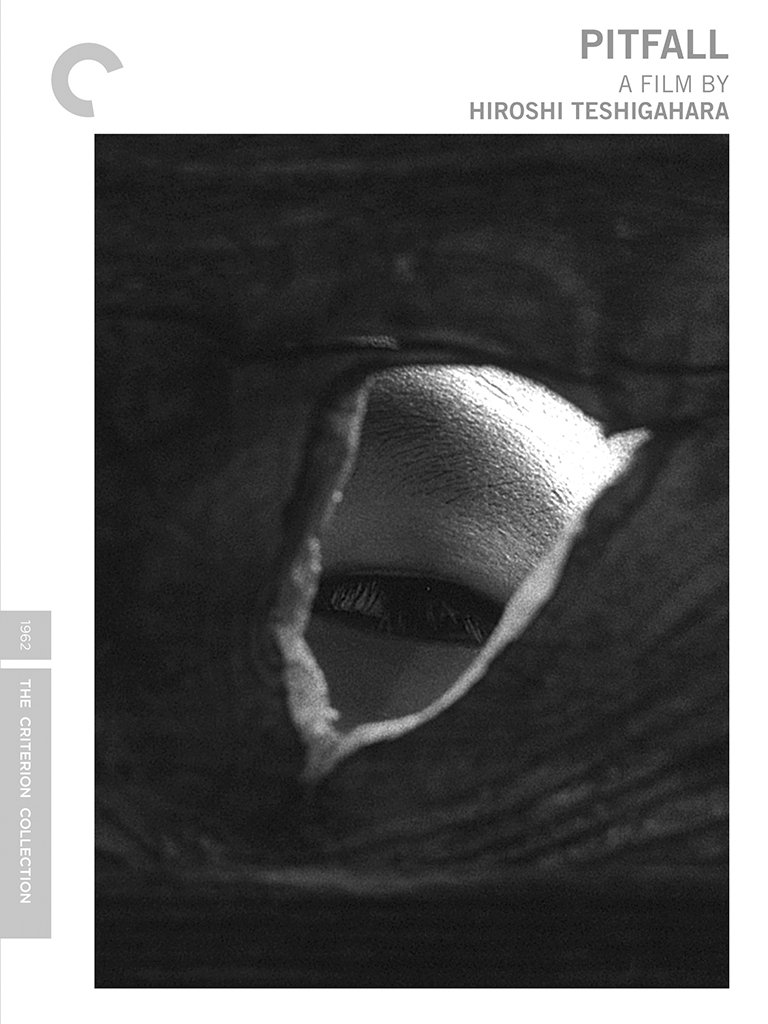
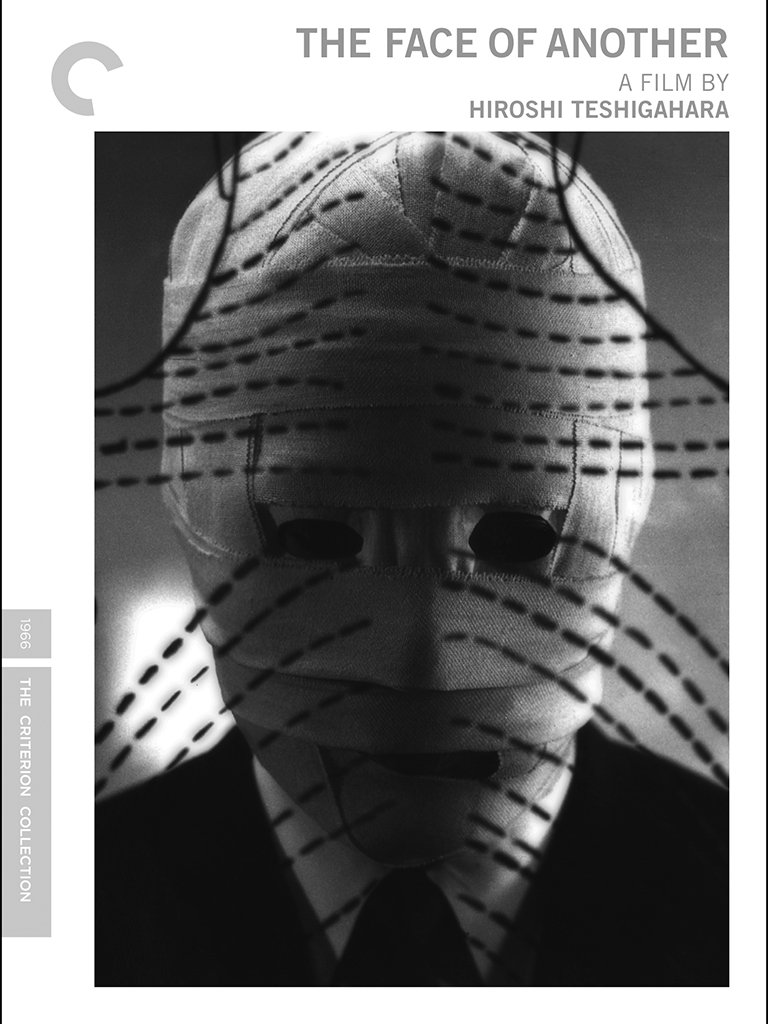
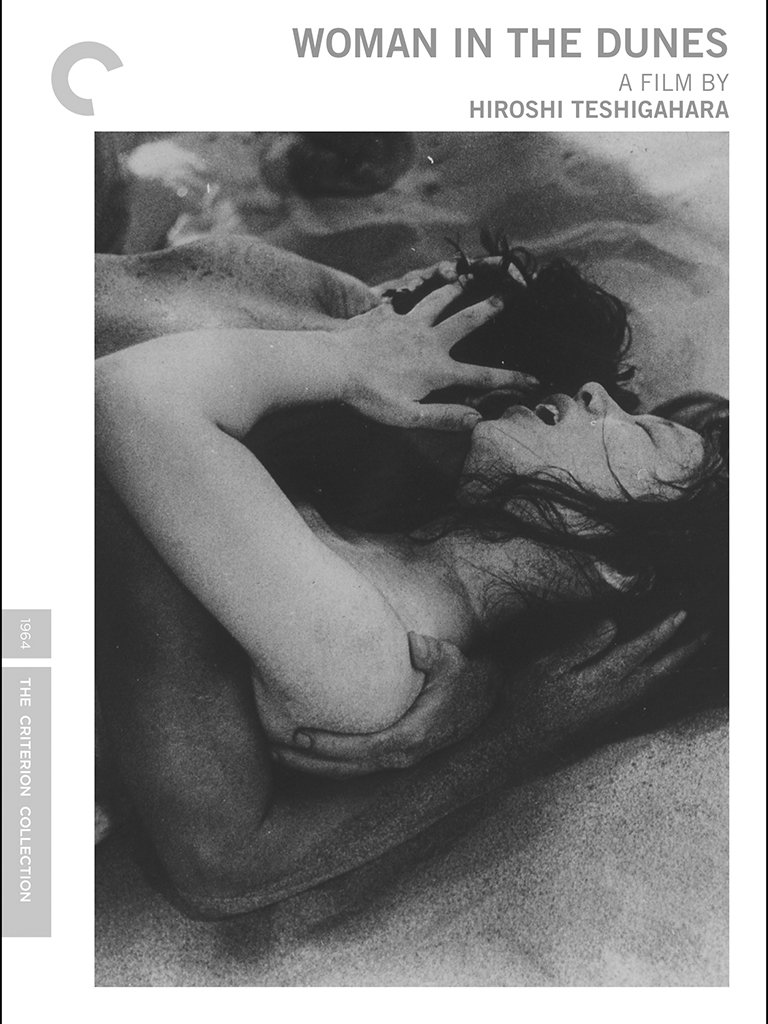
Full description not available
A**D
Japanese Aesthetics Meets Surrealism
These three films were made in the tradition of the surrealists at the beginning of the century with a Japanese aesthetic. I originally bought the set because I have had such a hard time finding "The Woman in the Dunes". I was equally stunned by the other two films in the set. Anyone studying the history of film would enjoy this collection. They also seem to be the progenitors of many modern films and television (Twilight Zone)dealing with the themes of identity and isolation or media having a strong visual impact. These films "Pitfall" and "The Face of Another" are not typically Japanese. They are a hybrid, being highly influenced by French and Italian cinema of the 30's - 60's. Even if one finds the surrealistic and dark themes a bit tedious, one can still sit back and enjoy the exquisite cinematography and perfect compositions throughout all three films. Anime fans will also derive pleasure and inspiration. "Woman in the Dunes" is still my favorite and belongs next to other Japanese classics such as "Ugetsu" and "Rashomon" and "The Seven Samurai" among others. The extra features includes good commentaries and additional shorts by Teshigahara, as well as a companion book. Worth the bucks.
Z**N
Great film, bad seller
Misleading product title - I assumed I was buying the Teshigahara box set when I got this as the title is “Three Films by HT...” but it only included Pitfall from the box set. It’s a great film, but sleazily packaged to me.
P**R
Set feels cheap.
Don’t listen to all the collector hype and craziness surrounded with this set. Some people claim it’s the “Nicest box set Criterion ever put out”. Those claims are simply untrue. The outer slipcase and dvd cases are made out of a cheap cardboard material that rubs off easily. The booklet is also made out of a cheap paper. If you like to collect Criterion box set releases for their visual appearance as well as physical media content; I’d pass on this one. The cheap low quality of the set does not justify all the hype this gets. I hope criterion will release this again in 4k with nicer materials.
D**O
criterion does it again
Great job Criterion in releasing the work of a brilliant director. Have seen Woman in the Dunes and Face of Another; both are based on novels by surreal Japanese writer Kobe Abe. Both are Kafkaesque stories of identityand loss of identity as well as modern man's function in a society wherethe self is disappearing. They are both clinical in their dissection of their characters but at the same time dream-like, moody, paranoid, and nightmarish with a touch of the macabre. Face of Another may be a bit lessaccessible but both are very deep psychological meditations, brilliant in their simplicity and style. Teshigahara was a true original, at once a part of the japanese New Wave yet somehow distinct from it. He reminds me a bit of Czech director Jan Nemec. This collection is a welcome addition to Criterion's impressive releases. Hopefully "The Ruined Map" which is a slightly later Teshigahara film again based on a Kobe Abe novel will be released at some point, but these three films are more than adequate to familiarize people with an extremely important Director.
E**A
An Ikebana-Trained Artiste Shows Startling Avant-Garde Style in an Intriguing DVD Box Set
Filmmaker Hiroshi Teshigahara was a true artiste who saw film as one of several creative outlets, which is why the sum of his cinematic output feels relatively paltry compared to his contemporaries. The Criterion Collection has smartly seen fit to present a four-disc DVD set showcasing his three most accomplished works - plus four shorts and a feature-length documentary about Teshigahara and his most frequent collaborator, author/screenwriter Kôbô Abe. Teshigahara's style can best be described as avant-garde, especially compared to the previous generation of Japanese filmmakers who focused far more on narrative structure and emotional consistency - Kurosawa, Mizoguchi, Ozu. As judged by these works, Teshigahara seems far interested more in challenging a viewer's sensibilities with movies that confound as much as they resonate. The results were not always successful, but they are well worth experiencing.The first film of the set, 1962's "Pitfall" (****), represents Teshigahara's debut as a feature filmmaker and is both an expressionistic ghost story and a scathing social critique of Japan's post-WWII labor conditions within the mining industry. The mystery-laden plot focuses on a poor coal miner, who is murdered in front of his young son after moving to a ghost town where the local mine becomes a battleground between the two unions that run it. The miner's ghost attempts to solve the crime and figure out the motive, all the while as mistrust permeates the community with more deaths occurring. The filmmaker's social agenda sometimes gets in the way of a corking detective story, but he also presents a haunting, often surreal allegory of social alienation and moral bankruptcy. Hisashi Igawa lends a palpable desperation to the doomed miner, while Kunie Tanaka cuts an appropriately austere figure as the unavoidable stranger in the white suit.An international art house hit that even garnered Oscar nominations, 1964's "Woman in the Dunes" (*****) is the set's centerpiece and a deserving masterpiece. The highly symbolic story focuses on an amateur entomologist on what he thinks is a day trip from Tokyo to a seaside area with vast sand dunes. As he looks for a particular beetle that he thinks will bring him fame within scientific circles, he loses track of time, and local villagers come upon him. For overnight lodging, they take him to a woman who lives in the bottom of a sand pit reachable only by a rope ladder. With the ladder gone the next morning, it dawns on him that he is being held captive by the villagers. From this revelation, Teshigahara and Abe focus on how the man deals with the situation and his evolving feelings toward the woman. Eiji Okada (Hiroshima Mon Amour, The Ugly American) dominates every scene as the emotionally volatile entomologist evolving from sexist entitlement to humiliating desperation to serene resignation. As the woman, the offbeat-looking Kyôko Kishida initially seems to be playing Friday to Okada's Robinson Crusoe, but her character starts to reveal layers that startle and fill in necessary plot details. The film's overall unnerving tone makes it feel often like an extended episode of a Twilight Zone.The third film presented is 1967's "The Face of Another" (***1/2), which provides some unsettling sci-fi elements in its piercing exploration of identity, personal freedom and social acceptance. It's probably the most audacious of the three films, but Teshigahara's overly stylized approach makes it arguably the least satisfying on an emotional level. That's because the primary characters feel somewhat removed from reality starting with an embittered burn victim named Okuyama, his face completely bandaged. He has an oddly co-dependent relationship with his psychiatrist, who gives him a prosthetic mask that allows him to start his life anew. However, Okuyama's emotionally isolated wife returns into his life, and the inevitable complications occur. Meanwhile, there is a parallel story centered on a young woman who bears a large radiation burn on her face, a victim of the atomic bomb dropped in Nagasaki. Her wish is to conform wither surroundings and be accepted, which makes for an intriguing counterpoint to Okuyama's plight. Tatsuya Nakadai (Harakiri, Ran, When a Woman Ascends the Stairs) plays the challenging role of Okuyama with effective menace and melancholy, and as his wife, the legendary Machiko Kyô (Rashomon, Ugetsu, Floating Weeds) lends an elegant but tangible sense of concealment to her relatively few scenes.Each film benefits greatly from Tôru Takemitsu's mood-setting music impressive for the versatility he displays with each score. Although extras are modest, each DVD has the original trailer and a generally illuminating if sometimes overly verbose video essay by James Quandt, who heads the Ontario Cinematheque. The fourth disc contains "Teshigahara and Abe", an intriguing documentary that covers the filmmaker's eclectic life, including his years being groomed to take over his father's world-renowned ikebana (flower arrangement) school. The four relatively modest shorts provide variable interest to aficionados - 1953's "Hokusai" spotlights the famous block artist; 1956's "Ikebana", a color film which shows the hard-earned artistry found in his father's school; 1958's "Tokyo 1958", an odd curio designed to show the vibrancy of the city at the time; and 1965's "Ako", a simple short about a girl's night on the town. Finally, there is a fifty-page booklet that provides further insight into a filmmaker more than worthy of rediscovery.
A**R
3 master pieces of japanese movie history
These are the 3 great movies Hiroshi Teshigahara made in the 1960's with the music of Toru Takemitsu.As far as I know Glenn Gould loved the second movie "The Woman in the Dunes" the best. For anybody interested in japanese film noir this is a great movie collection.
Trustpilot
2 weeks ago
3 weeks ago